

E-Collar Training: An Honest Guide from a Special Operations K9 Trainer
A properly used e-collar is conditioned at the lowest level a dog can perceive, often a level a human can barely feel, and it is introduced only after the dog already understands the command. Used that way it functions as a tap on the shoulder from a distance, not a punishment. The controversy around e-collars is almost entirely about misuse: high levels, no conditioning, and correction-only application by people who never learned the protocol.
Search are e-collars cruel and you will find people who are certain in both directions. Most of that debate skips the part that actually matters, which is how the tool is used and when it is introduced.
Here is a straight explanation from someone who has trained dogs for law enforcement, conventional military working dogs, and Special Operations Multi Purpose Canines, where a failure of recall is not an inconvenience. More on Patrick's background.
First, the term shock collar needs to go
It describes equipment that professional trainers largely stopped using decades ago. Old collars had a handful of harsh levels. Modern remote collars have 100 or more levels of adjustment, plus tone and vibration, and the working range for most pet dogs sits in the bottom 10 to 20 percent of the dial.
Language matters here because it drives the whole argument. When people picture a device that shocks a dog, they are objecting to something that is genuinely objectionable. Nobody in this conversation is defending that.
What an e-collar actually is
Think of it as a leash you can use across a football field.
When your dog is on a six foot lead, you have a channel of communication. You can guide, apply gentle pressure, release, and reward. That channel disappears the moment the leash comes off, which is exactly when your dog is furthest away and the environment is least controlled.
The remote collar restores that channel at distance. The stimulation is not a message that says you are bad. It is a message that says hey, listen to me, identical in function to a light pull on the leash.
That is the entire concept. Everything else is execution.
How proper e-collar conditioning works
Skipping any of these steps is where dogs get hurt and where the tool earns its bad reputation.
Step 1: Teach the command with no collar involved
The dog learns come, heel, place, and down fully, with positive reinforcement, before a remote collar is ever part of the picture. If the dog does not know the behavior, stimulation is meaningless noise. You cannot correct a dog for failing to do something it never learned.
A remote collar should never be introduced on day one. If a trainer puts one on your dog in the first session, that is a red flag worth acting on. Our guide to choosing a dog trainer covers the rest.
Step 2: Fit the collar correctly
Snug against the skin, contact points making consistent contact, positioned on either side of the neck. Not on the spine. Not on the throat. Rotate position and limit wear time, generally no more than 8 to 12 hours a day, to prevent pressure sores.
A loose collar is the leading cause of a dog not responding at low levels, which then causes an untrained handler to crank the dial. That sequence is how dogs get hurt.
Step 3: Find the working level
The trainer starts at zero and increases one level at a time, watching for the dog's first perception. Not a yelp. Not a flinch. An ear flick, a head turn, a slight change in expression.
This is the dog's working level, and it is different for every dog. For many dogs, the appropriate level is imperceptible to the human hand. It is not intended to hurt; it is intended only to be noticed.
Step 4: Pair it with a known command
Now you layer. Give the known command, apply low level stimulation, the dog performs the behavior it already knows, stimulation stops, reward. The dog learns the sensation means the answer is a behavior you already have, and that responding turns it off.
Timing is the whole game here. Stimulation on with the command, off the instant the dog begins to comply.
Step 5: Add distance and distraction
Long line first, then off leash in progressively harder environments. A dog that recalls in your backyard has not been proofed. A dog that recalls off a squirrel at a trailhead has.
What an e-collar cannot do
Being honest about limitations is how you tell a professional from a salesperson.
- It cannot substitute for a relationship. A dog that only listens because it is wearing the collar is not trained. It is compliant. That gap shows up the day the battery dies.
- It cannot replace exercise, structure, or clear household rules. Tools do not fix a life problem.
- It cannot make an unfinished dog reliable. Off leash reliability is built through hundreds of repetitions in real environments. The collar makes it possible to maintain that at distance, not to skip the work.
When is a dog ready?
General guidelines, though an evaluation beats a checklist:
- Age: typically six months and older. Foundation work happens well before that.
- Understanding: the dog reliably performs the target commands on leash with distractions.
- Relationship: the dog knows and trusts the handler.
- Health: no skin conditions or medical issues in the collar area.
- Temperament: highly fearful or hypersensitive dogs may need a different approach or a longer runway.
The case for off leash reliability
There is a practical argument that gets lost in the philosophy debate.
An off leash reliable dog gets a bigger life. It goes on trails. It comes to the brewery patio. It is loose in the yard without a fence panic. It gets recalled off a road before it reaches the road.
For high drive breeds and dogs with strong prey drive, reaching that level of real world reliability with voice and leash alone is difficult. A Malinois locked onto a rabbit at 80 yards is not hearing you. That is the specific gap the tool bridges, and it is a safety argument as much as a freedom one.
The alternative for a lot of these dogs is not trained without a collar. It is a life on a six foot lead in the backyard, which has its own welfare cost that rarely gets counted.
Choosing a trainer who uses one responsibly
The tool is unregulated and so is the industry. As of 2026 there is still no statewide licensing requirement for dog trainers in the United States, which means anyone can print a business card.
Ask these questions:
- 1When do you introduce the remote collar? The correct answer involves the word after, never first session.
- 2How do you find my dog's working level? They should describe starting at zero and watching for a subtle first perception.
- 3What level will my dog work at? They should be able to answer with a number and explain why it is that dog's number.
- 4What happens if my dog does not respond? The correct answer is check the fit, check the foundation, go back a step. The wrong answer is turn it up.
- 5Can I watch a session? Yes should be the answer.
- 6What do you do with fearful dogs? Every dog is different, so an in-person evaluation is essential. It allows us to identify the root cause of the fear and create the right training plan for that individual dog.
- 7What brand and why? Quality matters. Cheap collars have inconsistent output, which is genuinely unfair to a dog.
Watch for the phrase we break them down to build them up. That language signals pressure based methods, and it should end the conversation.
How we do it at True North Canine
Head trainer Patrick Mullooly is a U.S. Marine Corps veteran with 8+ years training dogs nationwide, including local, state, and federal law enforcement K9s, conventional military working dogs, and Special Operations Multi Purpose Canines. In that world, a dog's response is a safety issue, and there is no room for tools used carelessly.
The same standard applies to family pets in Celina, Prosper, and Frisco. Foundation first. Conditioning done properly. Owner taught to use the tool correctly before the dog goes home, because a remote collar in untrained hands is exactly the problem everyone is worried about.
Off leash work is included in our board and train programs, layered into private lessons where appropriate, and every graduate keeps lifetime access to weekly group classes for ongoing proofing. More equipment answers live on our FAQ page.
Frequently Asked Questions
Are e-collars cruel?
Do e-collars hurt dogs?
What is the difference between a shock collar and an e-collar?
At what age can you start e-collar training?
How long does off leash training take?
Can I train my dog with an e-collar myself?
Do e-collars work for reactive dogs?
Want off leash freedom done right?
Book an evaluation and we will show you exactly how the conditioning process works with your dog.
Consultations at the True North training location at 608 W Main St, Celina, TX 75009 are free. Travel consultations at your location cost $150 and are applied toward your program if you move forward.
Serving Celina, Prosper, Frisco, McKinney, Allen, Plano, Little Elm, The Colony, Aubrey, Melissa, Anna, Sherman, and the surrounding North Texas communities.
Results vary by dog, household, and owner follow through. No specific training outcome is guaranteed. Nothing here is veterinary or medical advice.
More From The Training Journal
K9 Training for Family Dogs
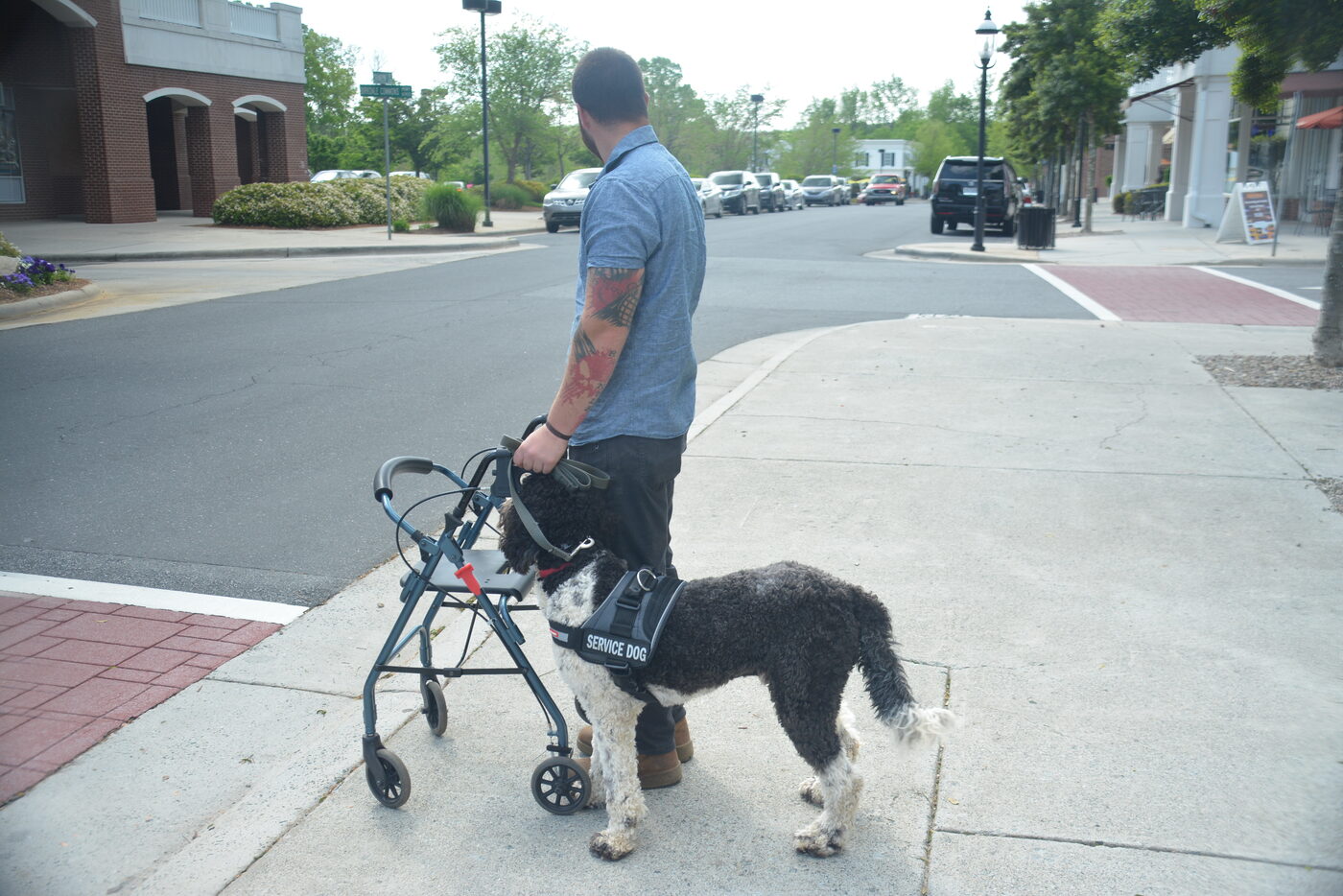
Patrick Mullooly shares how years of training police K9s, military working dogs, and Special Ops canines help him build calm, reliable family dogs.
Read article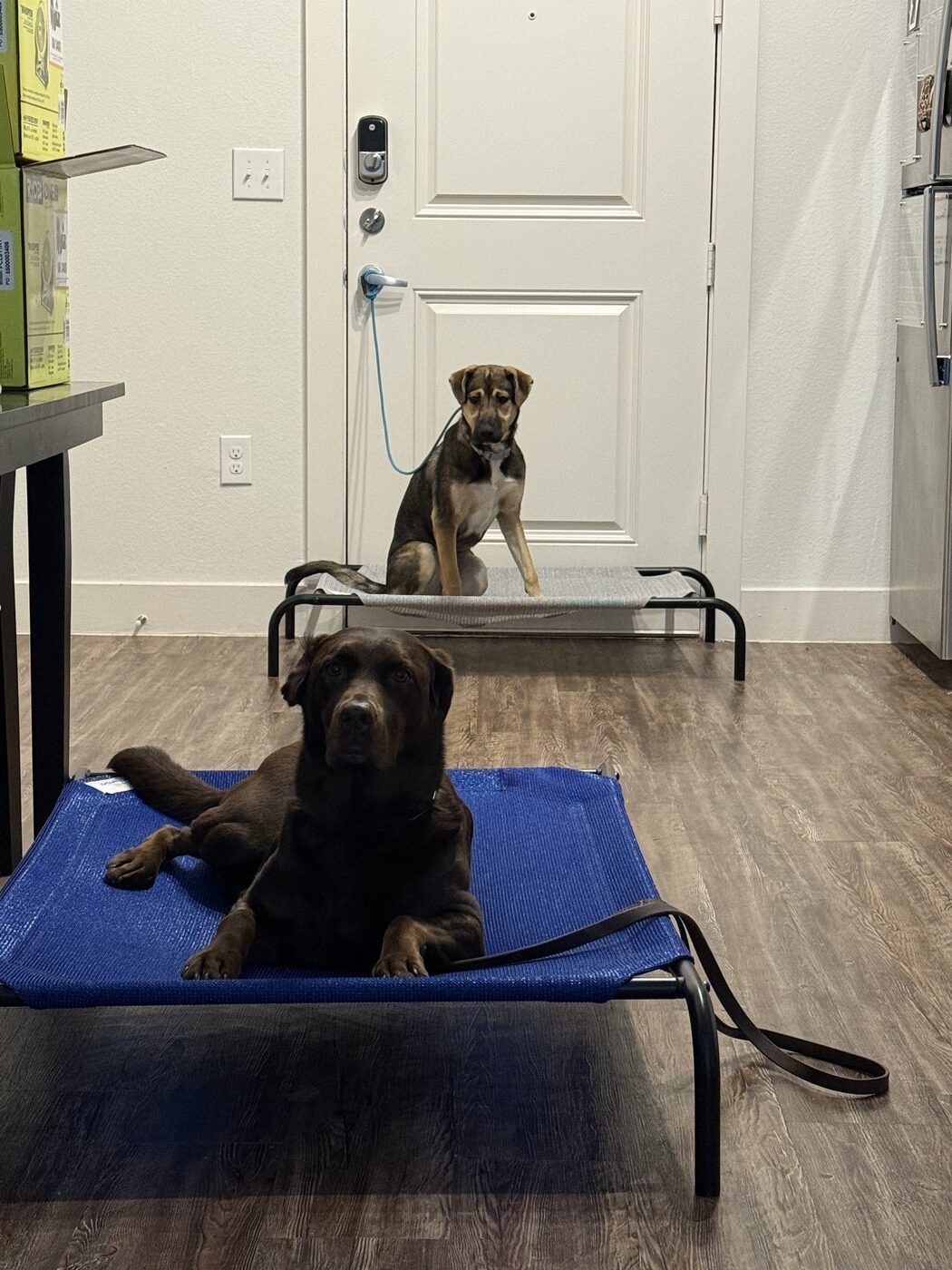
Puppy Training Timeline by Stage
What to teach a puppy from 8 weeks to 12 months, why the socialization window closes at 16 weeks, and how to safely socialize before vaccines are complete.
Read article
How to Choose a Dog Trainer in North Texas
12 questions to ask before hiring a dog trainer in North Texas, plus the red flags to walk away from. Written by a Celina based military K9 trainer.
Read article