
How to Choose a Dog Trainer in Celina, Prosper, and Frisco: 12 Questions to Ask First
Dog training is an unregulated industry. As of 2026 there is still no statewide licensing requirement for dog trainers in Texas or anywhere else in the United States, which means anyone can advertise as a professional tomorrow. The best protection is a structured conversation before you hand over your dog and your money. Twelve questions are below, along with the answers that should worry you.
North Texas has a lot of trainers. Collin and Denton counties have grown fast, and dog training businesses have grown with them. Some are excellent. Some are people with a website and an Instagram account.
Here is how to tell the difference in a fifteen minute phone call.
Before the questions: know what you actually need
Trainers specialize, and hiring the wrong specialty is the most common expensive mistake.
| Your situation | What to look for |
|---|---|
| New puppy, want to start right | Puppy foundations, socialization guidance, group classes. See our Puppy Program. |
| Pulls on leash, jumps, ignores you | General obedience, private lessons or a short board & train. |
| Barks and lunges at other dogs | Behavior modification experience specifically. Start with our leash reactivity guide. |
| Bite history, aggression, fear | A behavior specialist only. Ask about bite case experience directly. |
| Want reliable off leash freedom | A trainer with a structured off leash and remote collar protocol. |
| Dog is fine, household is chaos | A trainer whose program includes real owner coaching, including virtual lessons if scheduling is tight. |
If a trainer says they handle everything equally well, that is worth probing.
The 12 questions
1. What is your experience with my specific issue?
Not how long have you been training. How many dogs with this problem. A trainer with ten years of puppy class experience is not the person for a dog with a bite history, and a good one will tell you that.
2. What is your training philosophy, in plain English?
You are listening for a coherent explanation, not a slogan. Trainers who cannot explain their approach without jargon usually do not have one. You are also listening for whether their approach matches your values, because you have to live with the dog.
3. What tools do you use, and how do you decide?
You should know exactly what will be on your dog and why. Training tools are selected on a case-by-case basis according to each dog's individual needs, temperament, and specific behavioral concerns. When a tool is considered appropriate, its purpose, proper use, and role in the training plan should be thoroughly explained to you before it is introduced.
4. Walk me through day one. Then week two.
A quality trainer can describe the progression in detail: how a command is taught, how accountability gets introduced, when distraction work begins, when tools enter. Vague answers like first obedience, then socialization mean there is no actual curriculum. Ours is laid out week by week on the Board & Train page.
5. How many dogs are you handling at once?
This determines how much attention your dog receives, and it is the number that most directly separates a $2,500 program from a $6,000 one. Ask for the ratio, not a reassurance.
6. Where will my dog actually live and train?
Kennel, home setting, or facility. Neither is automatically better, but you should know. Also ask where the proofing happens. A dog trained only in a quiet yard has not been prepared for a Frisco sidewalk on a Saturday.
7. Can I see the space, and can I watch a session?
Yes should be the answer. Hesitation here is disqualifying.
8. What does owner training look like, and is it included?
This is the question that predicts whether your money was well spent. Industry-wide, most dogs regress within weeks when there is no structured owner follow-through after a program ends. The training does not transfer by itself.
Ask specifically: how many owner sessions, what happens if I need help in month three, is any of that an additional charge.
9. What happens after the program ends?
Refreshers, group classes, phone support, or nothing. Get the answer before you sign, not after. Our FAQ page spells out how lifetime group classes work.
10. What are your references, and can I contact them?
Reviews are useful. Reviews for cases like yours are far more useful. A trainer with 200 five star reviews for puppy manners tells you little about their aggression work.
11. What can you not help with?
The most revealing question on this list. Every honest trainer has cases they refer out, whether that is medical behavior issues that need a veterinary behaviorist, service dog work, or severity beyond their scope. A trainer who claims to fix everything is either inexperienced or not being straight with you.
12. What outcome are you promising?
The right answer is: none, specifically. Behavior is influenced by genetics, history, health, and household consistency. A trainer who guarantees a specific behavioral result is making a promise they cannot control.
Red flags worth walking away from
- We break them down to build them up. This language signals pressure based methods that damage the dog's relationship with you. End the call.
- Guaranteed results. See question 12.
- A price quoted without ever seeing your dog. That is a product, not a plan.
- No evaluation offered. Every dog is different, and a trainer who does not need to meet yours is selling a package.
- Refusal to let you observe. Nothing legitimate requires secrecy.
- Pressure to book immediately. Discount expiring today is a sales tactic, not a training method.
- Tools introduced without explanation. You should always be told what a tool is for and how it fits the plan. See question 3.
- Certifications that do not exist. Anyone can invent an acronym. Look up the organization.
- Bad-mouthing every other trainer in town. Confidence does not require running down the competition.
About certifications in an unregulated field
Since no license is required, certification is voluntary and varies enormously in rigor. Some meaningful ones include IAABC (International Association of Animal Behavior Consultants), CCPDT (Certification Council for Professional Dog Trainers), and IACP (International Association of Canine Professionals).
But treat certification as one signal among several, not a verdict. Some of the most capable trainers in the country came through military and law enforcement K9 programs where the standard was operational performance rather than a written exam, and some certified trainers have never worked a serious behavior case. Judge the specific experience against your specific problem.
What you should expect to pay in North Texas
Rough 2026 ranges for the DFW area:
| Format | Typical range |
|---|---|
| Group class course | $150 to $400 |
| Private lesson | $100 to $250 per session |
| Private lesson package | $600 to $2,500 |
| Board & train (2 to 3 weeks) | $2,000 to $5,000 |
| Board & train, behavior focus (4 to 6 weeks) | $4,500 to $9,000 |
Cheapest is rarely the value play. A more expensive trainer who solves the problem in six sessions costs less than an inexpensive one who takes fifteen and does not. For a full breakdown, see our North Texas board and train pricing guide.
About True North Canine
We are based in Celina and serve Prosper, Frisco, McKinney, Allen, Plano, Little Elm, The Colony, Aubrey, Melissa, Anna, Sherman, and the surrounding North Texas communities.
Head trainer Patrick Mullooly is a U.S. Marine Corps veteran with 8+ years training dogs nationwide: family pets, shelter dogs, local, state, and federal law enforcement K9s, conventional military working dogs, and Special Operations Multi Purpose Canines.
Here is how we answer our own questions:
- Specialty: behavior modification. Aggression, reactivity, and fear work is what we do most.
- Tools: selected case by case based on your dog's needs, temperament, and behavior concerns, fully explained before they are introduced, and you are taught to use them before your dog comes home.
- Owner training: included in every program, not an add-on.
- After the program: lifetime access to weekly group classes across DFW for every graduate, at no additional cost.
- Guarantees: none on specific outcomes, because results depend on your dog, your household, and your follow through. We will tell you honestly what we think is achievable.
- Evaluation: required before we quote anything. Consultations at the True North training location at 608 W Main St, Celina, TX 75009 are free. Travel consultations at your location cost $150 and are applied toward your program. Book it here.
Programs: Board & Train · Private Lessons · Virtual Lessons · Behavior Modification · Miles of Hope
Frequently Asked Questions
Are dog trainers licensed in Texas?
What certifications should a dog trainer have?
How do I know if a dog trainer is good?
Should I choose board and train or private lessons?
How much should I pay a dog trainer in DFW?
Do you offer a consultation?
Ready to ask us these questions?
Call (469) 694-2529 or send a message. We answer all twelve, in detail, before you commit to anything.
Consultations at the True North training location at 608 W Main St, Celina, TX 75009 are free. Travel consultations at your location cost $150 and are applied toward your program if you move forward.
Serving Celina, Prosper, Frisco, McKinney, Allen, Plano, Little Elm, The Colony, Aubrey, Melissa, Anna, Sherman, and the surrounding North Texas communities.
Results vary by dog, household, and owner follow through. No specific training outcome is guaranteed.
More From The Training Journal
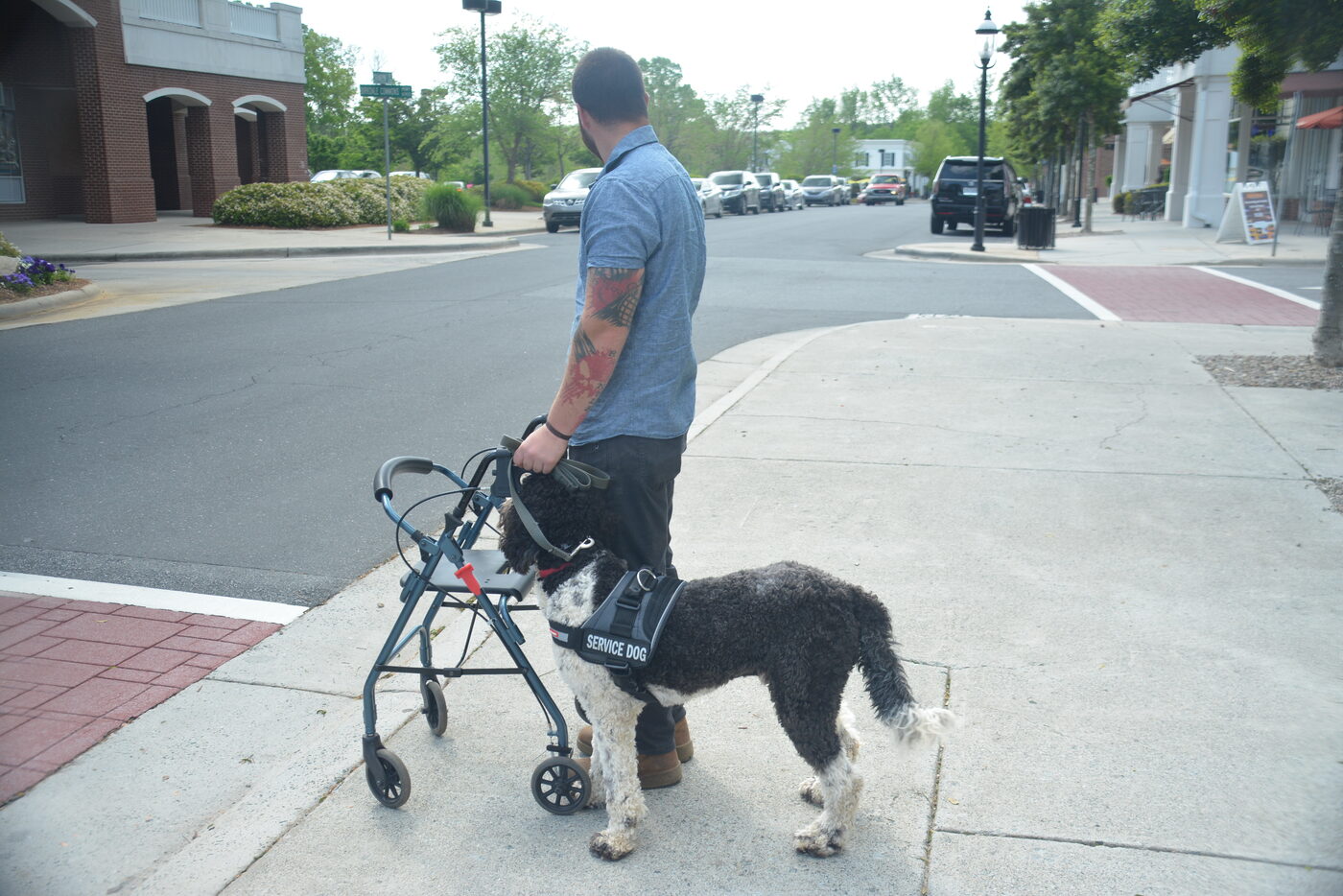
K9 Training for Family Dogs
Patrick Mullooly shares how years of training police K9s, military working dogs, and Special Ops canines help him build calm, reliable family dogs.
Read article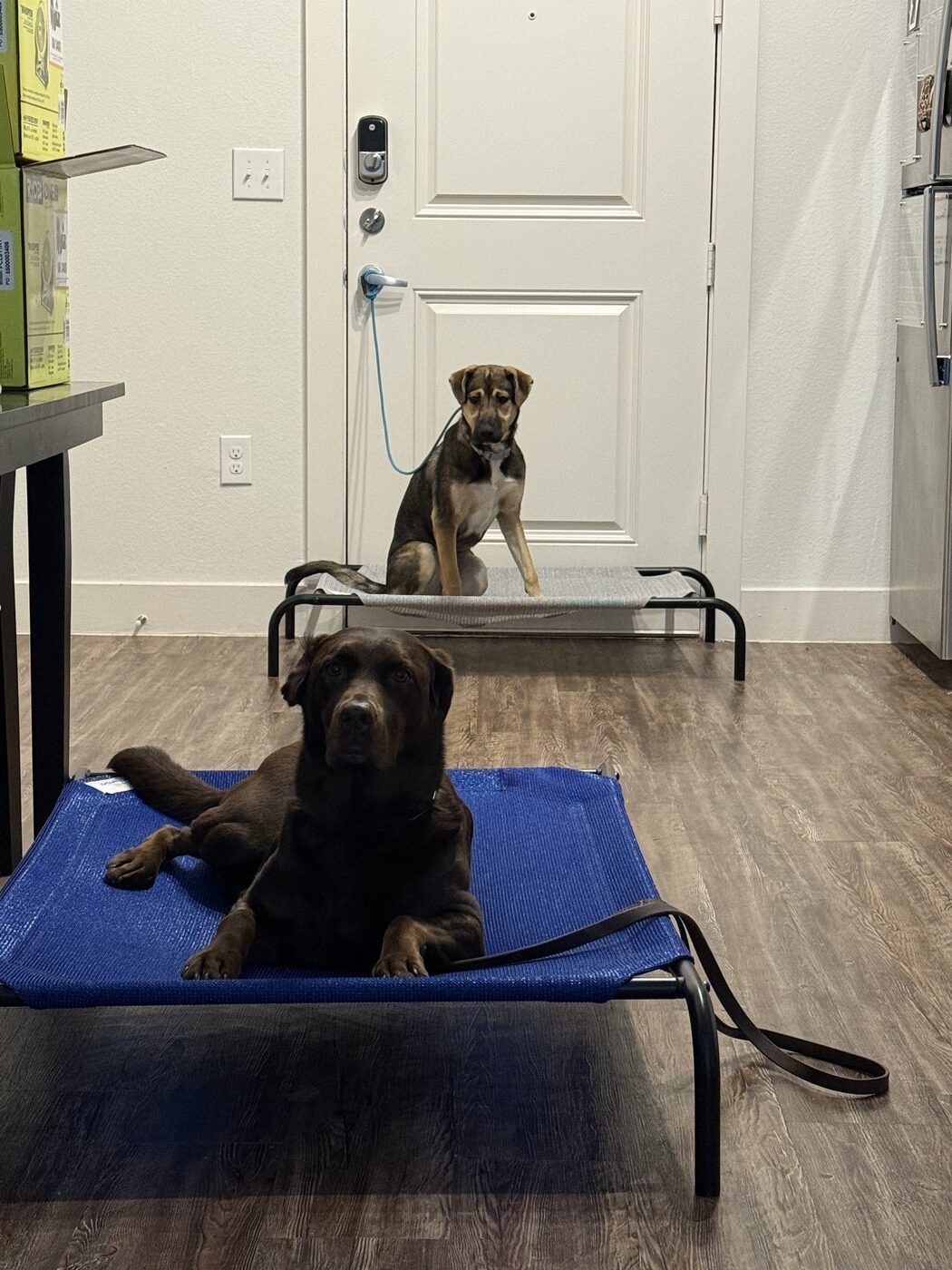
Puppy Training Timeline by Stage
What to teach a puppy from 8 weeks to 12 months, why the socialization window closes at 16 weeks, and how to safely socialize before vaccines are complete.
Read article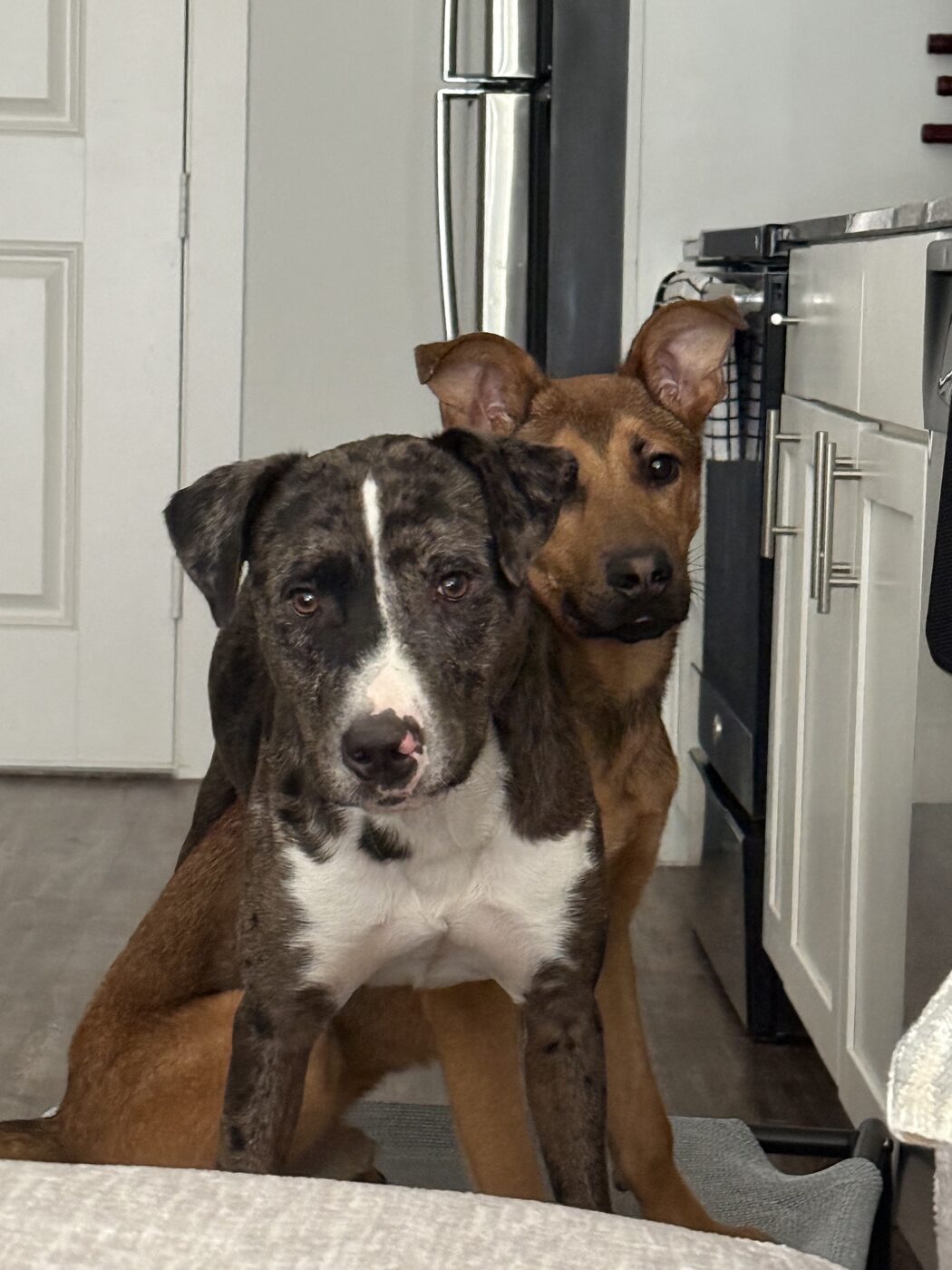
E-Collar Training: An Honest Guide
Are e-collars cruel? A Special Operations K9 trainer explains how remote collars are properly conditioned, and what off leash freedom really takes.
Read article