In 2026, board and train programs in the Dallas Fort Worth area typically run $1,000 to $3,000 per week, with most families investing $2,500 to $7,500 total depending on program length and how serious the behavior issues are. A three week obedience program sits at the lower end. A six week aggression or severe reactivity program sits at the top.
That range is wide, and the reason it is wide matters more than the number itself. Below is an honest breakdown of what you are actually paying for, what should be included, and how to tell the difference between a fair price and a marketing number.
What the national market looks like in 2026
Pricing research across the industry lands in a consistent band. Board and train programs run $1,000 to $3,000 per week, with group classes at $100 to $300 for a course and private sessions at $75 to $200 per hour. Other 2026 market surveys put multi-week residential stays at $1,500 to $5,000 and up, and note that total investment ranges from $2,000 to $12,000 depending on program length, location, and the trainer's credentials.
North Texas sits in the middle of that national range. We are not New York or San Francisco pricing, but Collin and Denton County are not rural markets either.
What drives the price up or down
1. Program length
This is the biggest single factor. Most programs are sold in weeks, and the per week rate usually drops slightly as the program gets longer.
| Program length | Typical DFW total | Best suited for |
|---|---|---|
| 2 weeks | $2,000 to $3,500 | Puppies, light manners cleanup, leash pulling |
| 3 weeks | $3,000 to $5,000 | Full obedience foundation, off leash introduction |
| 4 weeks | $4,000 to $6,500 | Off leash reliability, moderate reactivity |
| 6 weeks | $6,000 to $9,000+ | Aggression, severe reactivity, fear cases, bite history |
2. The behavior you are trying to fix
Basic obedience and behavior modification are not the same product. Aggression and severe reactivity cases cost more than basic manners because the stakes are higher, requiring increased liability coverage and much higher staffing ratios to maintain a safe environment. Industry data shows aggression cases generally run 50 to 100 percent more than basic obedience.
If a trainer quotes you the same price for a happy Labrador puppy and a dog with a bite history, that is a signal worth asking about.
3. Dogs per trainer
A facility running 20 dogs per handler can charge less than a program running four or five. You are buying repetitions and attention. Ask the number directly.
4. Where your dog actually lives during the program
Kennel based programs cost less to operate than home or small group settings. Neither is automatically better, but they produce different dogs. A dog that only ever practiced obedience in a quiet kennel yard has not been proofed against a Frisco patio on a Saturday.
5. What happens after pickup
This is the line item most owners underweight and the one that determines whether the money was well spent. More on that below.
What should be included in the price
Before you compare two quotes, confirm you are comparing the same thing. A complete program should include:
- Boarding, food handling, and daily care for the full stay
- Multiple structured training sessions per day, not one session and a nap
- Real world proofing in environments like parking lots, hardware stores, parks, and patios
- Progress updates with video, not a silent three weeks
- Owner transfer sessions where you are taught to handle your own dog
- Written homework and a maintenance plan
- Follow up support after the dog goes home
Common add-on costs to ask about up front: assessment or consultation fees, vaccination requirements, medication administration at $5 to $15 per day, grooming, and transportation at $50 to $200 for pickup and drop-off. Our consultations at the True North training location at 608 W Main St, Celina, TX 75009 are free. If Patrick travels to your location, the consultation costs $150 and is applied toward your program if you move forward. This policy is also listed on the FAQ page.
The part most pricing guides leave out
Here is the uncomfortable truth about this industry: without structured owner follow-through after the program ends, the majority of dogs regress within weeks. The training does not stick if it does not transfer to the home environment.
That is not an argument against board and train. It is an argument against board and train sold as a drop-off service.
A dog can learn a flawless heel, a rock solid place command, and reliable off leash recall in three weeks with a professional. None of it survives contact with a household that goes back to old habits on day one. This is why the owner education component is not a bonus feature. It is the product.
When you are comparing quotes, the question is not which one costs less per week. It is which one is still working six months from now.
Is board and train worth it compared to private lessons?
It depends on what is actually broken.
| Board & Train | Private Lessons | |
|---|---|---|
| Typical cost | $2,500 to $7,500 total | $75 to $250 per session |
| Timeline to results | 2 to 6 weeks | 3 to 6 months |
| Best for | Serious behavior work, off leash goals, owners short on time | Household specific issues, owners who want to learn hands-on from day one |
| Main risk | Regression without owner follow-through | Slower progress, requires weekly discipline |
| Where the dog learns | Trainer's environment, then proofed out | Your actual home and neighborhood |
Private lessons are often the better value for issues that only happen in your house: door dashing, counter surfing, jumping on guests, resource guarding a specific spot. The behavior lives at your address, so the training should too. If travel is the obstacle, our virtual lessons cover the same coaching remotely.
Board and train earns its cost when the dog needs high volume daily repetition that a working family realistically cannot provide, or when the behavior is severe enough that trial and error at home is risky.
Red flags in a board and train quote
- A guarantee of a specific behavioral outcome. No ethical trainer can promise this. Dogs are not appliances.
- No in-person or video evaluation before quoting. A price given sight unseen is a product, not a plan.
- Vague answers about tools. You should know exactly what will be on your dog and when it gets introduced. A remote collar should never be introduced on day one, only after the dog understands the commands and has a relationship with the trainer. Our e-collar guide walks through proper conditioning.
- No owner sessions included. See the section above.
- Pressure to book today. Good trainers have a waitlist and do not need urgency tactics.
- "We break them down to build them up." Walk away. This language indicates pressure-based methods that can damage your relationship with your dog. More warning signs are in our guide to choosing a dog trainer.
What we charge and why
| True North Canine program | Investment | Built for |
|---|---|---|
| 3 Week Board & Train | $3,500 | Obedience foundation and household manners |
| 4 Week Board & Train | $5,000 | Off leash reliability plus a week 3 in-person progress lesson |
| 6 Week Behavior Program | Starting at $6,500 | Aggression, severe reactivity, and fear cases |
Every True North Canine board and train program includes daily structured sessions, real world proofing across DFW, video progress updates, in-person owner transfer coaching, and lifetime access to our weekly group classes for graduates at no additional cost. That last piece exists because the research above is real. Dogs regress when owners are left on their own, so we do not leave owners on their own.
We do not quote a program before we evaluate a dog. Consultations at the True North training location at 608 W Main St, Celina, TX 75009 are free. If Patrick travels to your location, the consultation costs $150 and is applied toward your program if you move forward. Book the evaluation on our contact page and read more about Patrick's background before you do.
Frequently Asked Questions
How much does board and train cost in Dallas Fort Worth?
Why is board and train so expensive?
Is board and train worth the money?
How long should a board and train program be?
Do you offer payment plans?
What vaccinations does my dog need?
Ready to find out what your dog actually needs?
Every dog starts with an in-person evaluation. Book yours and we will tell you honestly what is achievable.
Consultations at the True North training location at 608 W Main St, Celina, TX 75009 are free. Travel consultations at your location cost $150 and are applied toward your program if you move forward.
Serving Celina, Prosper, Frisco, McKinney, Allen, Plano, Little Elm, The Colony, Aubrey, Melissa, Anna, Sherman, and the surrounding North Texas communities.
Results vary by dog, household, and owner follow through. No specific training outcome is guaranteed.
Pricing ranges cited above are drawn from 2026 industry surveys published by DogTrainerMatch, DogSchool, Bark, Sit Means Sit, and PetWorks. Those figures reflect national and regional averages, not True North Canine rates.
More From The Training Journal
K9 Training for Family Dogs
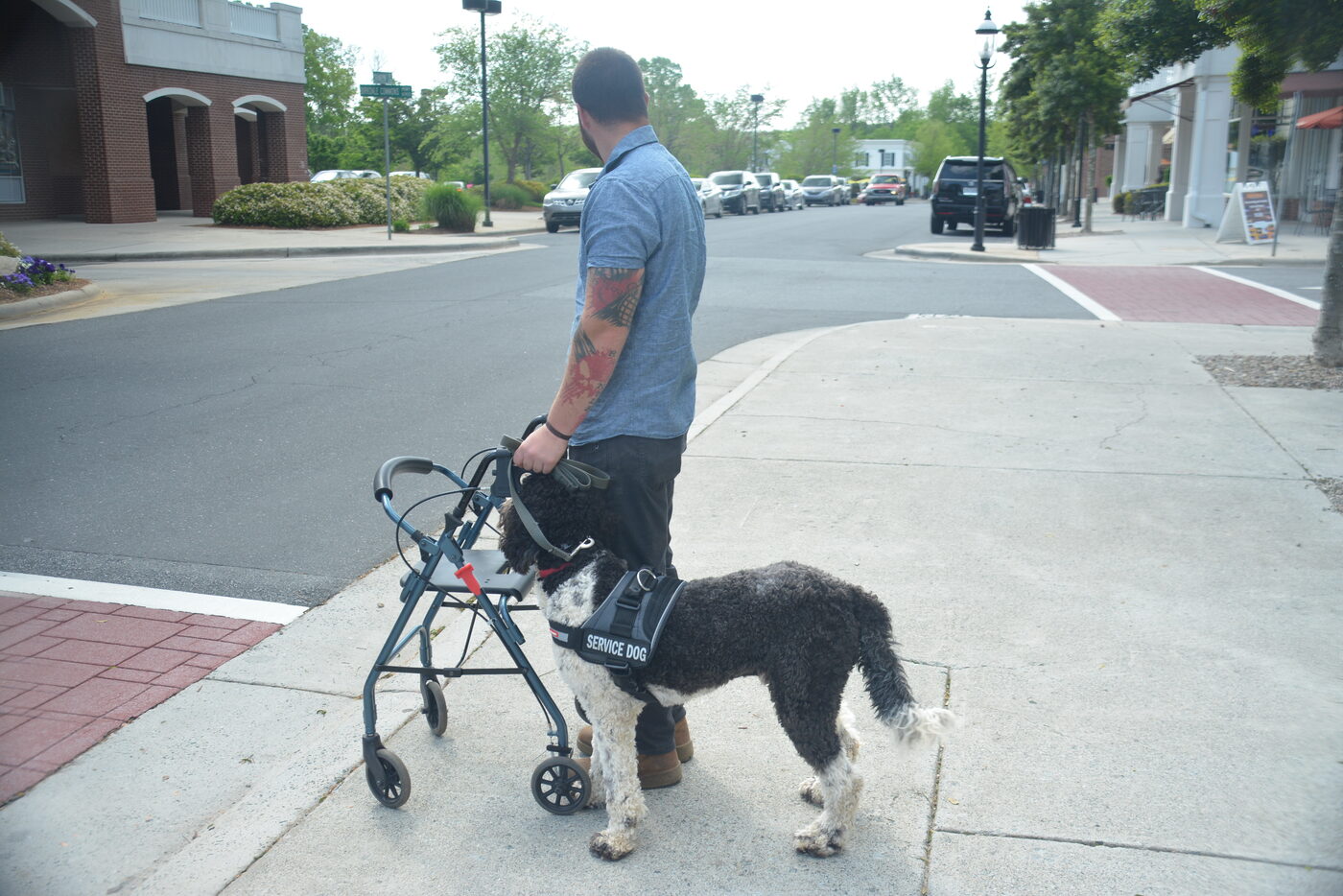
Patrick Mullooly shares how years of training police K9s, military working dogs, and Special Ops canines help him build calm, reliable family dogs.
Read article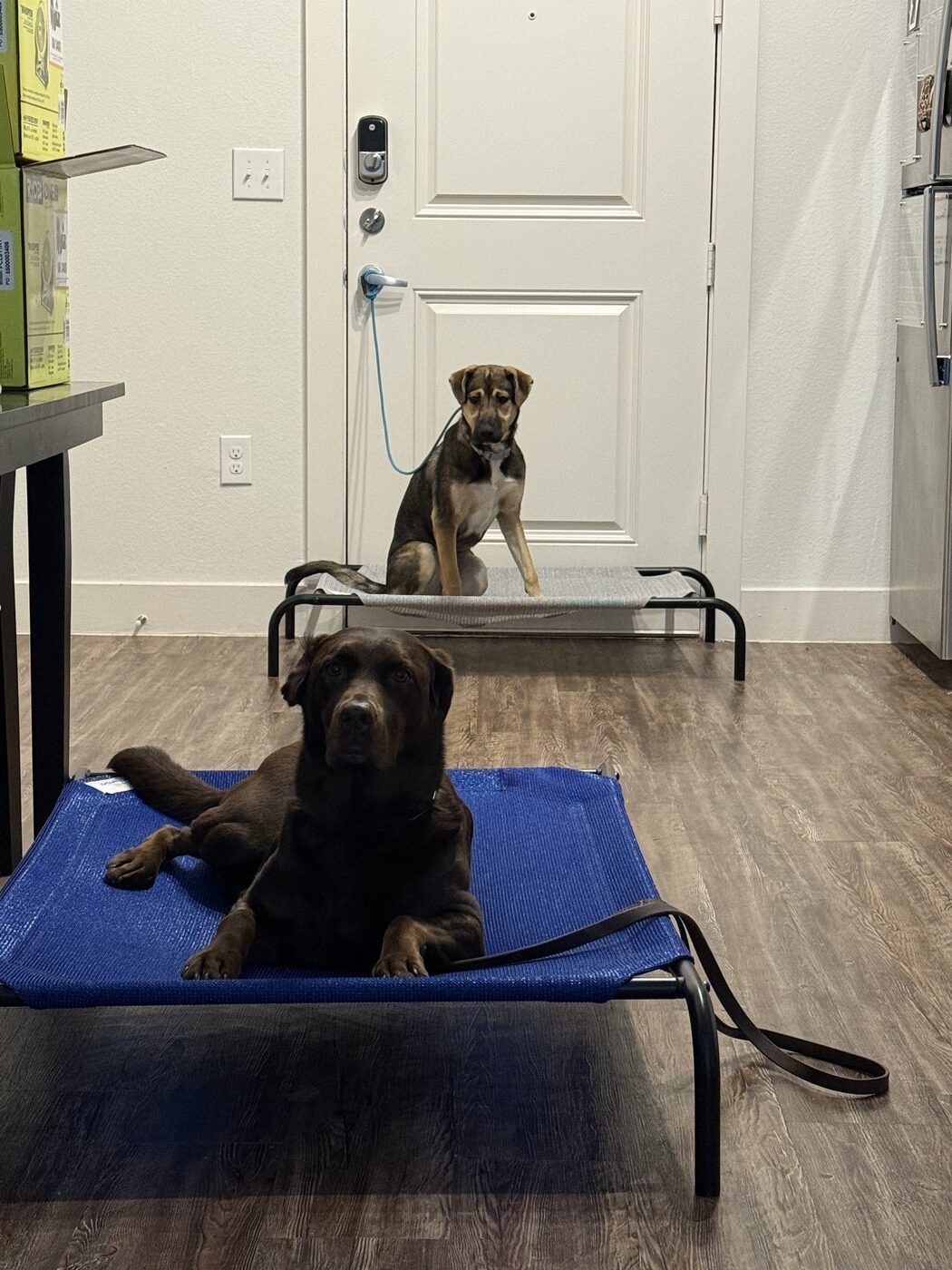
Puppy Training Timeline by Stage
What to teach a puppy from 8 weeks to 12 months, why the socialization window closes at 16 weeks, and how to safely socialize before vaccines are complete.
Read article
How to Choose a Dog Trainer in North Texas
12 questions to ask before hiring a dog trainer in North Texas, plus the red flags to walk away from. Written by a Celina based military K9 trainer.
Read article