
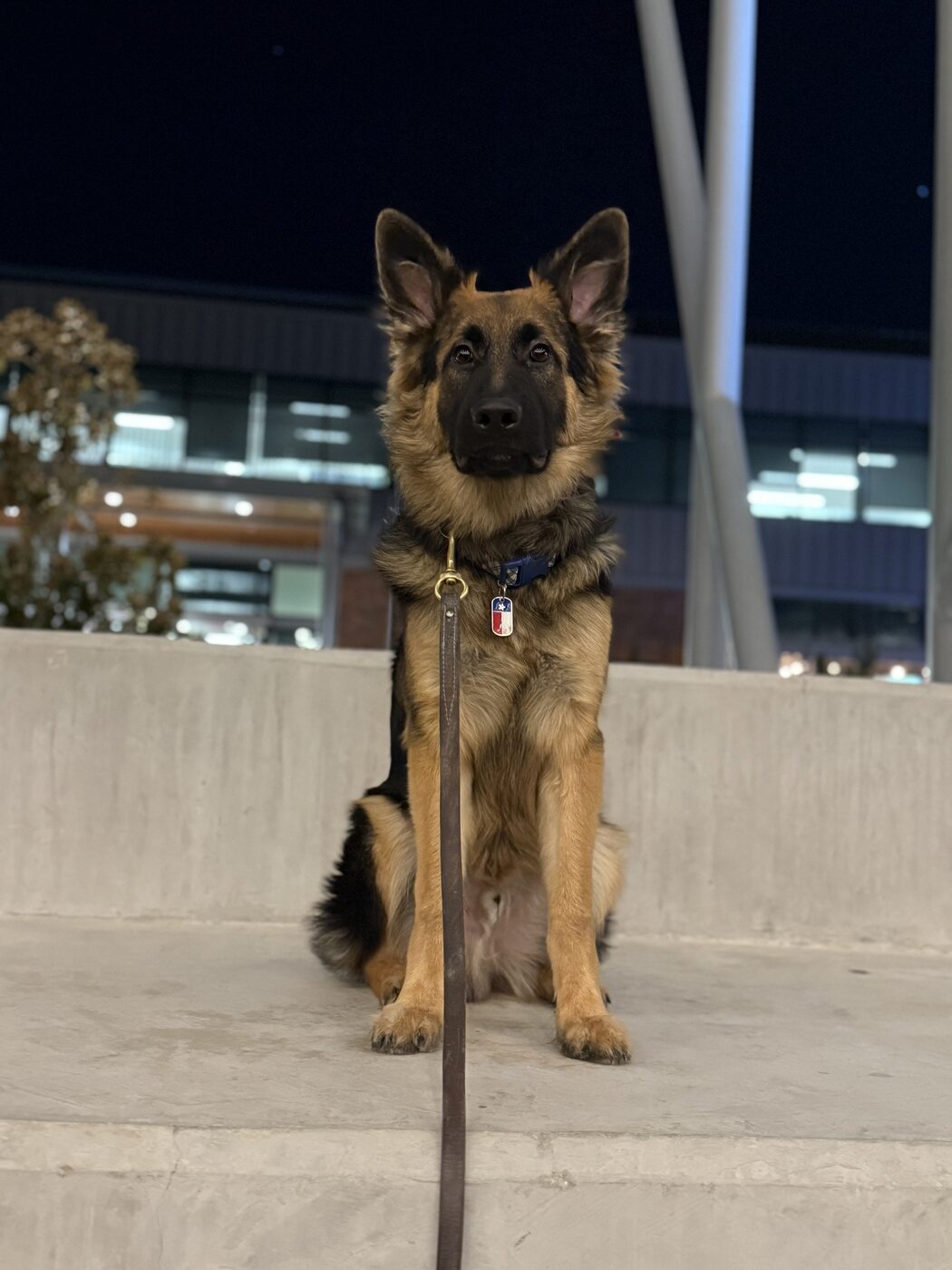
Leash Reactive Dog? An Honest Guide to Barking, Lunging, and Getting Your Walks Back
Leash reactivity is when a dog barks, lunges, growls, or spins at a trigger specifically while on leash. It is one of the most common behavior problems dog owners face, and roughly one in three pet dogs shows some form of it. It is usually rooted in frustration or fear rather than genuine aggression, and it is highly trainable with the right diagnosis, threshold work, and consistency.
Most owners come to us with the same story. The dog is a saint at home. Off leash at a friend's house, perfect. But the second the leash clips on and another dog appears down the sidewalk, you are hanging onto 70 pounds of barking, spinning chaos while a neighbor pretends not to stare.
You are not doing it wrong because you love your dog too much. You are probably doing it wrong because nobody explained what is actually happening.
Reactivity is not the same thing as aggression
This is the single most important distinction, and most owners get it backwards.
Reactivity means an over-response to a stimulus. Aggression means intent to do harm. A huge percentage of dogs who look terrifying at the end of a leash have no interest in fighting at all. They are overwhelmed, frustrated, or scared, and they have learned that a big loud display makes the scary thing go away or releases the pressure.
The tell: what happens when the leash comes off in a safe, controlled setting? Many aggressive looking dogs go play. That dog does not have an aggression problem. That dog has a leash problem, an arousal problem, and a handler communication problem.
That distinction changes the entire training plan. It is also why an accurate in-person evaluation matters more than anything you will read online, including this.
The four types of leash reactivity
Getting this wrong is why most home training attempts fail. You cannot fix the wrong problem.
1. Frustration or barrier reactivity
The dog desperately wants to go say hello and the leash is in the way. Common in social dogs, dogs who went to daycare, and dogs who were allowed to greet every dog on the street as puppies and then had that privilege revoked. The energy has nowhere to go, so it comes out sideways as barking and lunging.
These dogs would be delighted to actually meet the other dog. They are not afraid at all.
What it looks like: Loose wiggly body, high tail, whining mixed with barking, pulling forward hard.
2. Fear based reactivity
The dog wants distance. Poor socialization during the critical window, a bad experience at a dog park, or a genetically soft temperament. On leash the dog cannot flee, so it takes the only other option available: make itself big and loud so the threat leaves.
What it looks like: Weight shifted back, ears pinned, hackles up, barking that sounds sharper and more panicked, dog may retreat then lunge.
3. Over-arousal and unmet drive
Herding breeds hyper-aware of movement. Terriers locked onto anything that runs. Malinois and working line Shepherds with a job description and no job. This is not a socialization failure. It is genetics meeting an under-stimulated life.
What it looks like: Fixation on movement, hard staring, difficulty disengaging, reactivity toward cars, bikes, joggers, and skateboards more than dogs.
4. Conflict seeking
Genuinely rare, and over-diagnosed by owners and under-diagnosed by trainers who do not want to say hard things. A confident dog with a try me attitude, usually rooted in insecurity, and it requires professional help early rather than late.
What it looks like: Quiet, still, deliberate. Often less noisy than the other three, which is exactly why it is more serious.
Why the leash makes everything worse
Three mechanisms are working against you at once.
The leash removes choice. A dog off leash meeting another dog can arc, sniff, disengage, and walk away. On leash, you are dragging it in a straight line at another dog, which in dog language is confrontational, and it cannot leave. Trapped animals escalate.
Leash tension travels. When you spot a trigger and tighten up, your dog feels that instantly through the lead. You have just broadcast that something is worth being tense about. Your dog reads your body and your hands as environmental information, and your anxiety confirms its suspicion. Most owners accidentally cue the reaction two seconds before it happens.
Rehearsal builds the habit. Every single blow-up makes the next one more likely. The behavior gets more efficient and more automatic. This is why walking through it and hoping the dog gets used to it usually makes reactivity worse, not better.
Threshold: the concept that fixes everything
Your dog has a distance at which it can see a trigger and still think. Past that line, the thinking brain goes offline and no amount of treats, corrections, or shouting reaches it.
That distance is your threshold. It might be 100 feet today. The entire goal of good reactivity work is to spend as much time as possible just under that line, where your dog can see the trigger, feel something about it, and choose a different response with your help. Every rep under threshold shrinks the distance.
The single most common mistake: working over threshold and calling it exposure. Flooding a reactive dog does not desensitize it. It teaches it that you take it into situations it cannot handle.
What actually works
Management first, training second
You cannot train a dog that is blowing up three times a day. Stop the rehearsals while you build new skills.
- Walk at low traffic times. Early morning and later evening are quieter across Prosper and Celina neighborhoods.
- Scout routes in advance. Know your escape options: side streets, driveways, parking lots you can duck into.
- Use open space. The trails and open fields around North Texas give you distance that a sidewalk never will.
- Skip retractable leashes entirely. They give you no control at the moment you need it most.
- Do not allow on-leash greetings with strange dogs. This is not rude. It is the single highest value rule for a reactive dog.
Management is not the fix. Management is what keeps you sane while the fix happens.
Build engagement before you need it
Your dog should have a reliable, well paid look at me in your living room before you ever ask for it with a Golden Retriever across the street. Most owners try to install the emergency brake during the emergency.
Change the association, not just the behavior
For fear based cases, the trigger needs to predict good things at a distance where the dog can still think. For frustration cases, the dog needs to learn that calm behavior is what unlocks access, and that lunging never works. These are opposite protocols. Applying the wrong one is worse than doing nothing, which is the whole reason the diagnosis section above exists.
Address the arousal underneath
A dog that lives at a 7 all day reacts at a 10. Structured rest, crate conditioning, appropriate physical and mental work, and a household with clear rules all lower the baseline. Many reactive dogs improve substantially just from a calmer daily structure before any trigger work begins.
Handler mechanics
Loose leash by default. Breathe before the trigger appears, not after. Move your feet with intent instead of freezing and staring. Reactive dog work is at least half handler training, which is why every one of our programs includes coaching for you.
How long does it take?
Honest answer: it depends on the type, the severity, the dog's genetics, how long it has been rehearsed, and most of all on household consistency.
- Frustration based, caught early: noticeable change in 2 to 4 weeks, solid in 2 to 3 months
- Fear based, moderate: 3 to 6 months of consistent work, often lifelong management alongside real improvement
- Over-arousal and drive: improves quickly with structure, requires ongoing outlets
- Conflict seeking or bite history: professional involvement from day one, longer timeline, permanent management protocols
Anyone who promises you a cured reactive dog in one session is selling something. What a skilled trainer can genuinely do in one session is show you enough of a difference that you believe the rest is possible.
When to bring in a professional
- Your dog has made contact with a person or another dog
- You have stopped walking your dog, or only walk at midnight
- You are physically unable to hold your dog during a reaction
- It is getting worse despite your effort
- You are afraid of your own dog
- You are starting to think about rehoming
That last one especially. Behavior problems are one of the leading reasons dogs get surrendered, and a large share of those cases were trainable. It is also why we support rescue work through Miles of Hope.
How we work reactive dogs at True North Canine
Behavior modification is our specialty, not a side offering. Head trainer Patrick Mullooly is a U.S. Marine Corps veteran who spent eight plus years training dogs across the country including law enforcement K9s, conventional military working dogs, and Special Operations Multi Purpose Canines before focusing on helping North Texas families.
Every reactivity case starts with an in-person evaluation, because the four types above require four different plans. From there, most owners go one of three directions:
- Behavior Modification for aggression, serious reactivity, and fear cases
- Private Lessons in your home and neighborhood, so the training happens where the behavior happens
- Board & Train when a dog needs high volume daily work first, followed by owner transfer
Every graduate gets lifetime access to our weekly group classes across DFW. Real distractions, real accountability, no additional fees. Reactive dogs need ongoing proofing, and that access is how progress holds. Live outside our drive radius? Our virtual lessons cover coaching remotely.
Frequently Asked Questions
Is my dog reactive or aggressive?
Why does my dog only react on leash and not at the dog park?
Can leash reactivity be cured?
Will punishing my dog stop the barking?
How much does reactive dog training cost in DFW?
Should I use a prong collar or e-collar on a reactive dog?
Struggling with a reactive dog?
Book an evaluation and we will tell you which type of reactivity you are dealing with and what the plan looks like.
Consultations at the True North training location at 608 W Main St, Celina, TX 75009 are free. Travel consultations at your location cost $150 and are applied toward your program if you move forward.
Serving Celina, Prosper, Frisco, McKinney, Allen, Plano, Little Elm, The Colony, Aubrey, Melissa, Anna, Sherman, and the surrounding North Texas communities.
Results vary by dog, household, and owner follow through. No specific training outcome is guaranteed. Nothing here is veterinary or medical advice.
More From The Training Journal
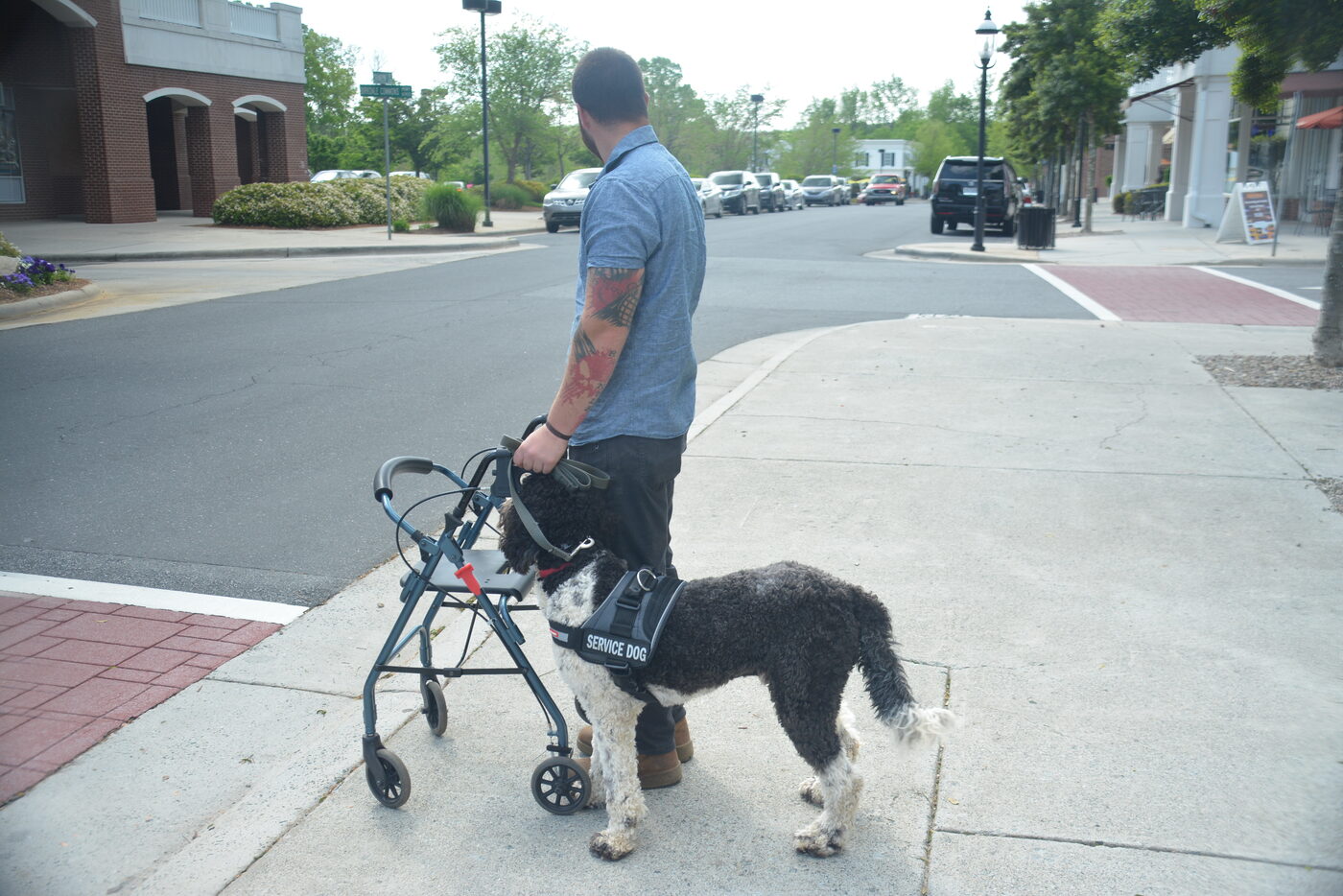
K9 Training for Family Dogs
Patrick Mullooly shares how years of training police K9s, military working dogs, and Special Ops canines help him build calm, reliable family dogs.
Read article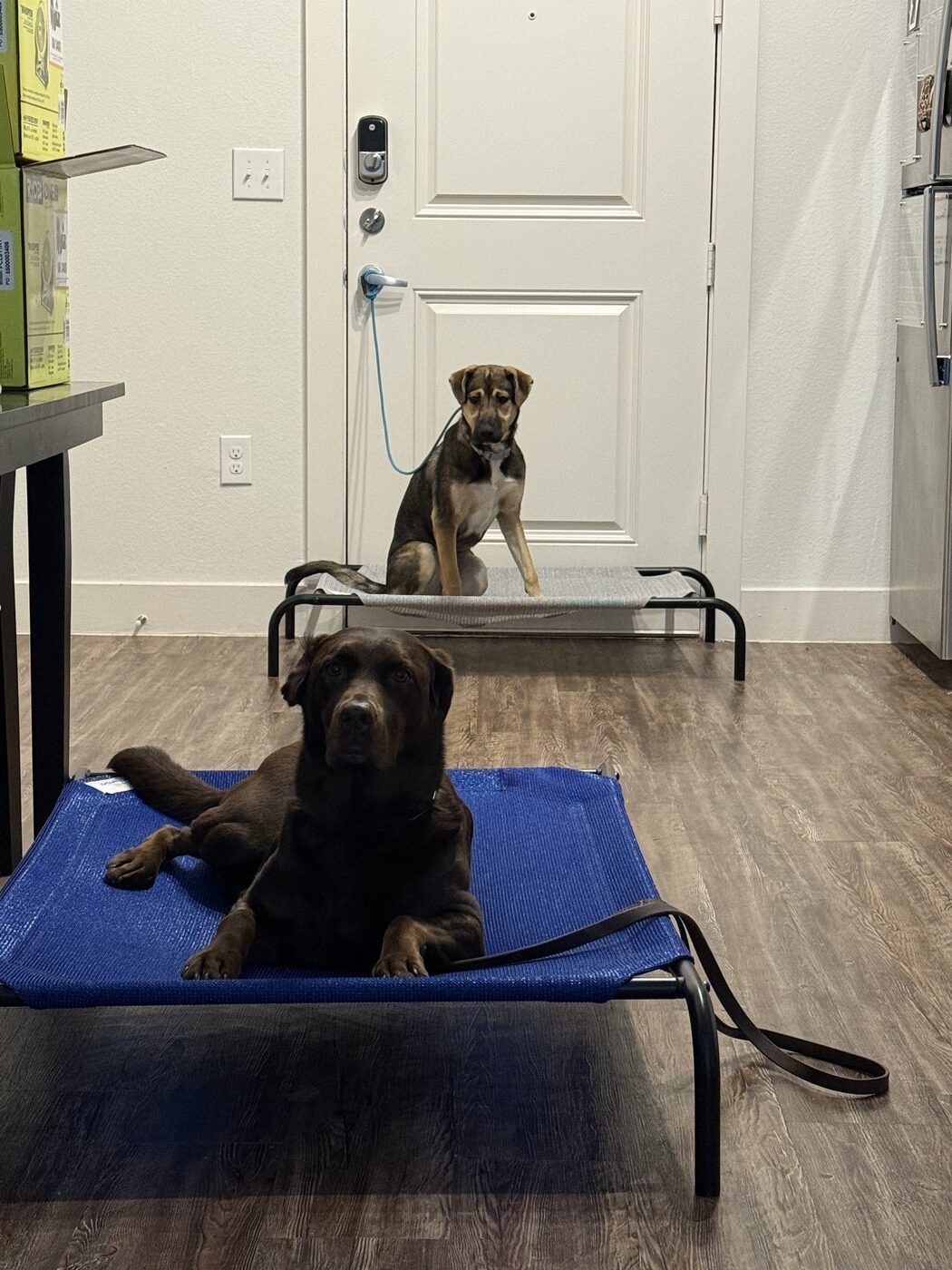
Puppy Training Timeline by Stage
What to teach a puppy from 8 weeks to 12 months, why the socialization window closes at 16 weeks, and how to safely socialize before vaccines are complete.
Read article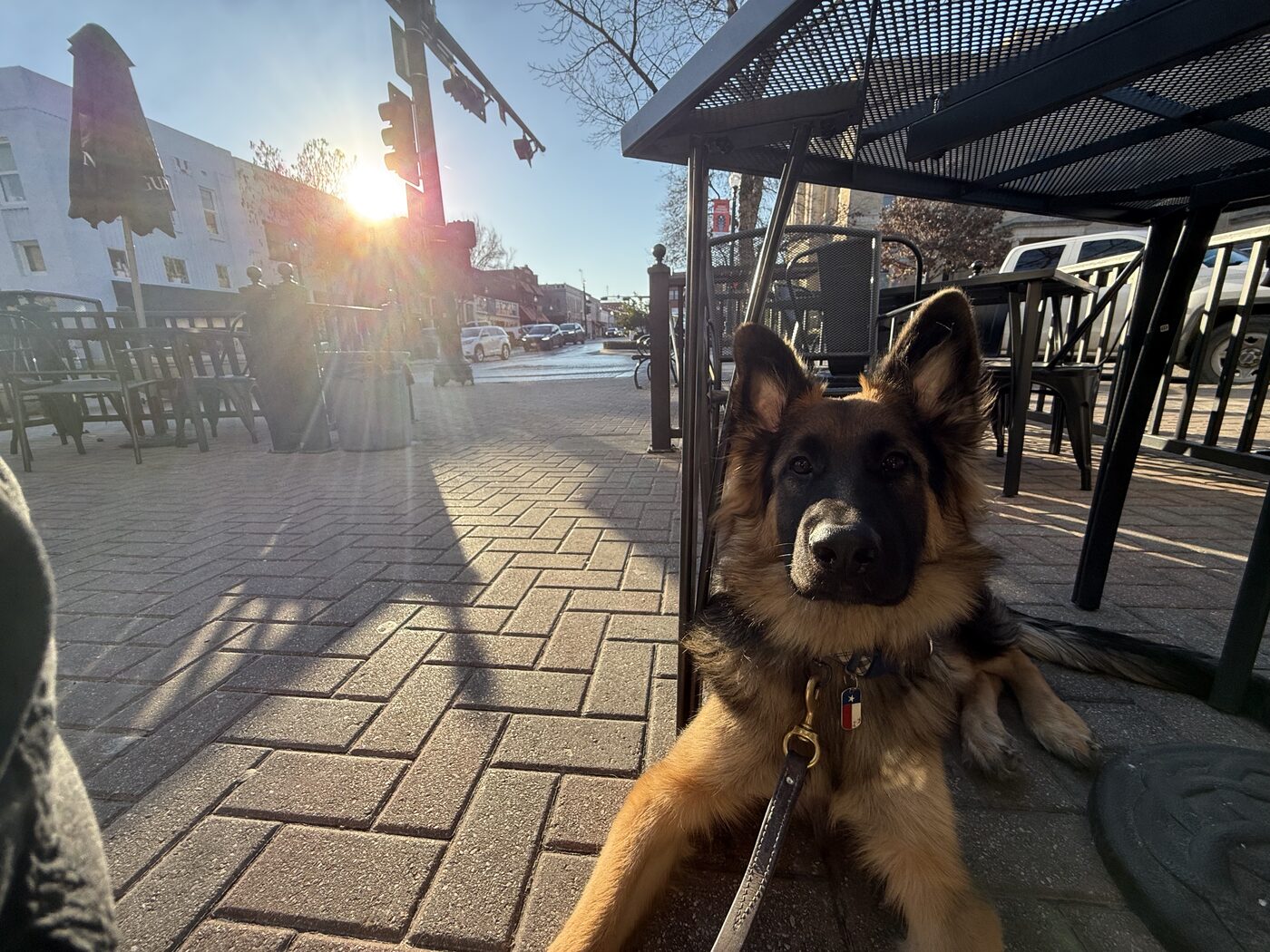
How to Choose a Dog Trainer in North Texas
12 questions to ask before hiring a dog trainer in North Texas, plus the red flags to walk away from. Written by a Celina based military K9 trainer.
Read article